
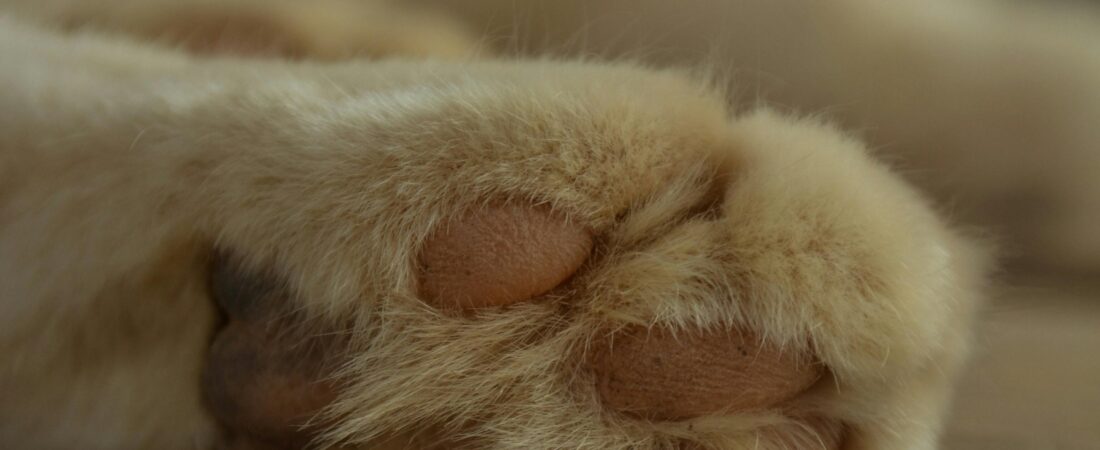
You loved them every day. Of course losing them hurts this much.
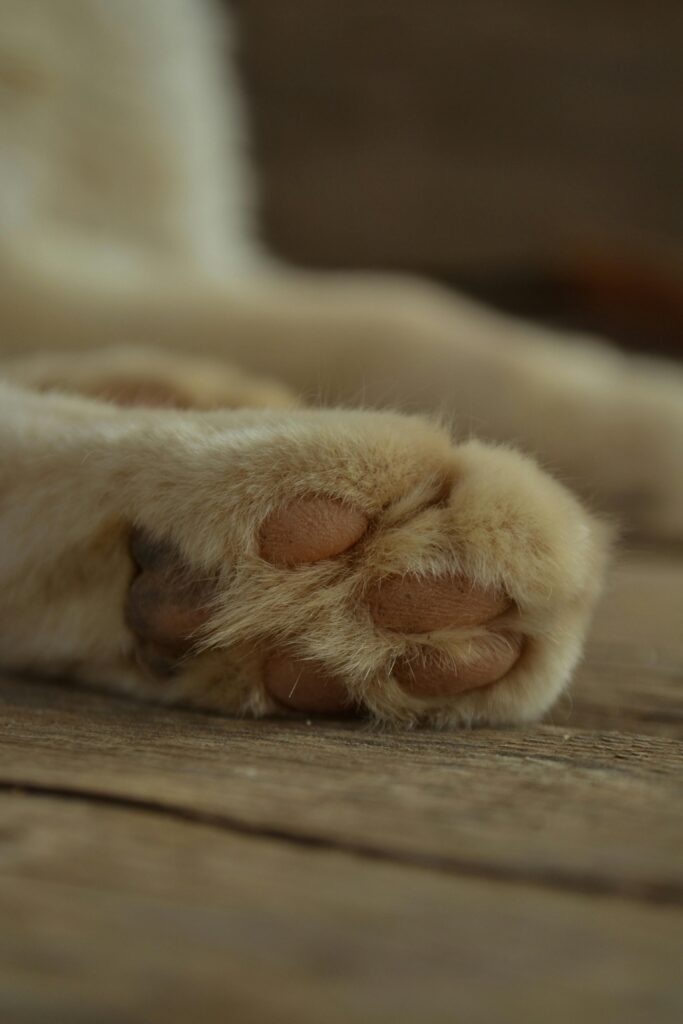
You didn’t expect it to hit this hard.
Maybe you knew it was coming — the vet visits had been getting harder, the prognosis quieter. Or maybe it happened suddenly, without warning, and now there’s a leash by the door and a food bowl you can’t bring yourself to move. Either way, you’re sitting with a grief that feels enormous, and somewhere in the back of your mind a voice is asking whether you’re supposed to feel this bad over an animal? Is it normal to grieve this hard for a pet?
You are. It is… Let’s talk about why.
What You’re Feeling Is Real Grief
The American Psychiatric Association recognizes pet loss as a legitimate source of grief. Researchers who study bereavement have found that losing a pet can trigger the same emotional responses as losing a close family member — because for most of us, that’s exactly what they were.
Your pet knew your schedule. They read your moods. They were there on your worst days without needing an explanation. They were the first thing you saw in the morning and the last thing you settled in at night. That kind of bond doesn’t come with an asterisk that makes the loss smaller when it comes full stop.
What you’re feeling isn’t an overreaction. It’s a completely proportionate response to a real loss.
Why Pet Grief Catches Us Off Guard
Part of what makes pet loss so disorienting is that the world doesn’t always pause for it the way it does for other losses.
You may not get bereavement leave from work. Friends who mean well might say things like “at least they had a good life” or “you can always get another one” — comments that land like a door closing on the conversation before it even started. Social media gets a post, maybe a few kind comments, and then the feed moves on.
But your home doesn’t move on. Their absence is physical. It’s in the vast silence where there used to be sounds. It’s in the way you still reach for the leash, still listen for them when you open the door, still feel the instinct to be home by a certain time…
That gap between how big the loss feels and how little space the world makes for it is its own kind of pain. It can leave you feeling isolated, even embarrassed. Like you need to apologize for still being sad.
You don’t.
The Guilt That Comes With It
For many pet owners, grief arrives with the unwelcome companion — guilt.
Did I do enough? Did I wait too long, or not long enough? Should I have noticed sooner? Did they know how much I loved them?
These questions are almost universal. They come from love, not from failure. The very fact that you’re asking them tells you something about the kind of owner you were.
If you made a decision about their care at the end — including the decision to let them go peacefully rather than suffer — that decision came from the same place every other decision for them came from. It came from putting them first.
Guilt and grief often travel together. Recognizing that doesn’t make the guilt disappear, but it can make it a little easier to carry.
There’s No Timeline on This
People will tell you it gets easier. They’re right, but they rarely tell you that it doesn’t get easier on a schedule.
Some days will feel manageable. Others — a random Tuesday, a familiar smell, a photo that surfaces in your phone’s memories — will knock you back to the beginning. That’s not a setback. That’s just what grief does. It’s nonlinear, and it belongs to you.
There is NO point at which you are supposed to be over it. There is no “correct duration”. Grieving your pet for weeks, or months, or returning to that sadness years later when something reminds you of them — none of that is excessive. All of it is love with nowhere to go.
Give yourself the time you need without judgment.
Things That Actually Help
Everyone’s grief is different, but these are the things that tend to genuinely help — not just distract:
Let yourself talk about them. Say their name. Tell the stories. Find at least one person who will listen without redirecting the conversation. If the people around you aren’t that person, pet loss support groups exist —(I use Rainbow Bridge group on FB) both online, Association for Pet Loss and Bereavement and in person — and they’re full of people who understand exactly what you’re going through.
Keep one or two of their things close for now. You don’t have to pack everything away immediately. Their blanket, their favorite toy — having something tangible can be grounding in the early days. You’ll know when you’re ready to decide what to keep and where.
Create something in their memory. This can be as simple as writing down your favorite stories about them, making a photo album, or putting together a small collection of images that capture who they really were. The act of remembering with intention — focusing on their personality, their quirks, the specific ways they were them — can be deeply healing.
Be honest with your kids if they’re grieving too. Children often take their cues from the adults around them. Letting them see that you’re sad too, and that it’s okay to be sad, gives them permission to grieve honestly rather than quietly.
Give yourself the same compassion you’d give a friend. If someone you loved called you and said they were devastated over losing their pet, you wouldn’t tell them to get it together. Talk to yourself the way you’d talk to them.
Honoring Them Is Part of Healing
One thing many people find — when the time feels right — is that doing something meaningful in their pet’s memory helps. Not to replace the grief, but to give it a shape. A direction.
That might be planting something in the garden, creating a small memorial space in the home, commissioning a piece of art, or putting together a tribute that captures who they really were — not just what they looked like. Show how they moved through the world. Their personality. Their habits. The funny, specific, irreplaceable things only you knew about them.
[LINK: 10 Ways to Honor a Pet Who Has Passed]
However you choose to remember them, what matters is that it feels like them. Generic isn’t enough for a love this specific.
You Loved Someone. And Now They’re Gone.
That’s what this is. Not an overreaction. Not weakness. Not something to apologize for or push through faster than it wants to move.
You loved someone who couldn’t tell you in words how much they loved you back — but showed you every single day. Of course it hurts this much.
Be gentle with yourself. The grief is just the love, still looking for somewhere to go.
When you’re ready to celebrate who they were — really celebrate them, specifically and fully — [Everhere.us] we’re here.