
The Silence Isn’t in Your Head — It’s in the Space They Left Behind
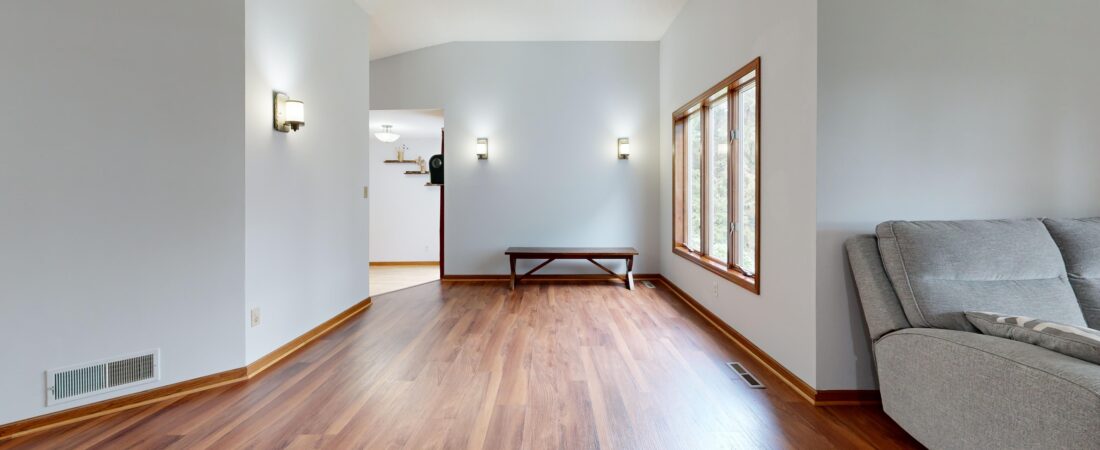
There is a real reason why your house feels so empty after your pet dies. A physical presence that shaped your daily rhythm — sound, movement, weight on the couch — is simply gone. You’re not imagining it, and you’re not being dramatic.
Most people describe the same thing. The rooms are the same size. The furniture hasn’t moved. But something is missing that you can’t quite name, and it changes how the whole house feels.
If you’re already wondering whether this level of grief is normal, it’s normal to grieve this hard for a pet — the size of your grief matches the size of what you lost, not the species of who you lost it with.
It’s Not Just Grief — It’s Disrupted Routine
Every day with a pet is built on small, repeated moments. The sound of nails on the floor when you walk in. The specific spot on the bed that’s always warm. The way they showed up at the same time every evening, without fail.
When a pet dies, all of that stops at once. Your brain doesn’t get a slow transition — it gets silence where there used to be a pattern. That mismatch between what your body expects and what’s actually there is a big part of why the house feels different, not just sad.
The American Veterinary Medical Association recognizes that the stress and grief people feel after losing an animal can be similar to grieving a close family member, which is part of why this kind of loss deserves to be taken seriously — not minimized because the one who died had four legs instead of two.
There’s a physical, not just emotional, side to this too. The science behind why losing a pet hurts this much goes deeper into what’s actually happening in your body during a loss like this, if you want to understand the mechanics behind the ache.
The Empty Spots Hit Differently
It’s rarely the big, obvious reminders that catch you off guard. It’s the small ones.
The bowl still by the back door. The leash on its hook. The blanket that still holds their shape. According to Psychology Today, people tend to fall into one of two patterns when it comes to a pet’s belongings — some can’t stand walking past them, while others find comfort in keeping them visible as a reminder their pet was there. Neither response is wrong. Both are ways of coping with the same absence.
If you’re someone who flinches every time you pass their old spot, that doesn’t mean you’re grieving incorrectly. It means your house is still catching up to what your heart already knows.
Why Nights and Quiet Moments Are the Hardest
During the day, tasks and people fill the space. At night, when the house finally goes quiet, there’s nothing left to compete with the silence.
If you used to fall asleep to the sound of them settling in for the night, or wake up to them checking on you, that specific quiet can feel loud in a way that’s hard to explain to someone who hasn’t lost a pet. This is normal. It doesn’t mean something is wrong with you — it means the routine you built together was real, and now part of it is missing.
What Actually Helps
There’s no fast way through this, but a few things genuinely make the empty-house feeling more bearable:
Don’t rush to remove every reminder. You don’t have to decide today whether to keep or pack away their things. Give yourself time before making that call.
Let the quiet moments be quiet. Fighting the silence with constant noise or distraction usually delays the adjustment rather than easing it. It’s okay to sit with it sometimes.
Create one small, intentional space instead of scattered reminders everywhere. A single shelf, corner, or windowsill with a photo and something that mattered to them can turn scattered grief into one place you choose to visit — rather than a house full of ambushes. If you want a full walkthrough on setting one up, here’s how to create a pet memorial space at home.
Fill the silence on your own terms, if that helps. Some people find real comfort in something that gently marks the quiet — a wind chime near a window, a small sound that becomes its own kind of remembrance rather than an ambush of silence. If that appeals to you, a personalized pet memorial wind chime — laser-engraved with your pet’s name and photo, adjustable tuning ($24.99) — is one option. (As an Amazon Associate, Everhere earns from qualifying purchases at no additional cost to you.)
When You’re Ready to Revisit the Photos
If sitting with the quiet doesn’t feel possible yet but revisiting the photos you already have sounds more helpful than harder, the free 100 Photos. 1 Life. Challenge is a gentle place to start — a structured way to spend ten minutes a day with the memories you already have, no pressure attached.
What Everhere Does With That Silence
At Everhere, we build a short film from the photos and memories you already have — not a slideshow, but something built around who your pet actually was. You fill out a short questionnaire about their habits, their quirks, the things only you would know, and we turn that into a personalized tribute video within 48 hours.
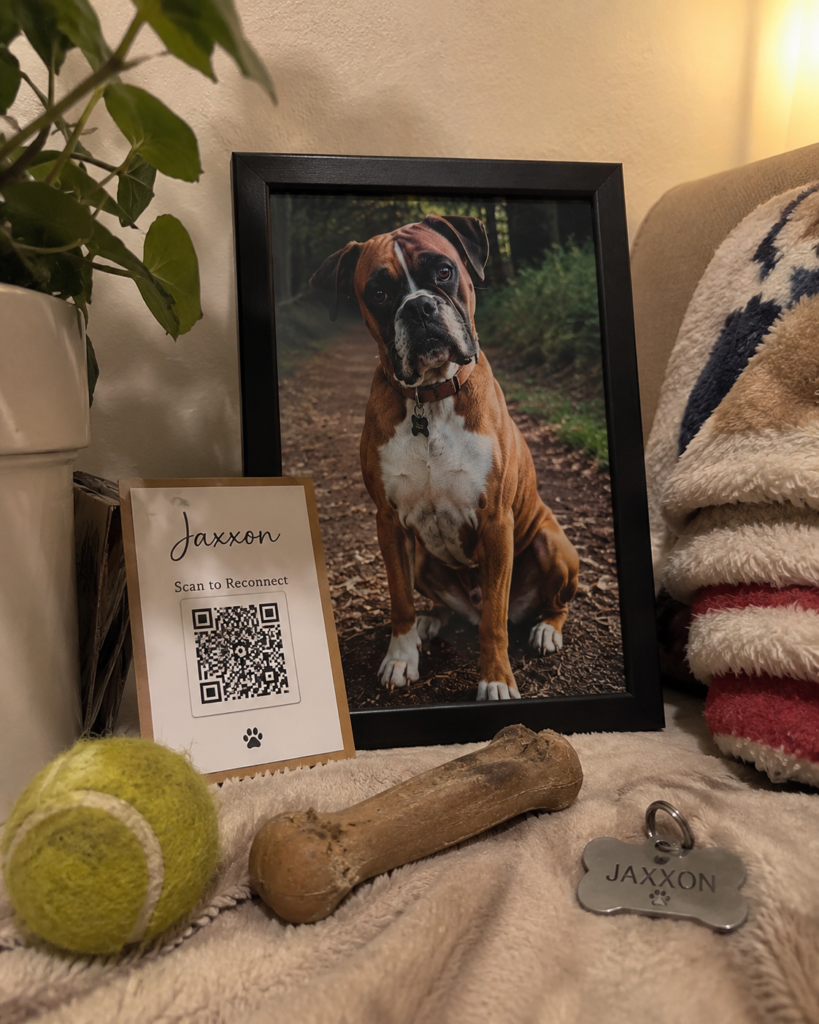
Every video comes with a print-ready QR placard. You place it in a memorial space image — a shelf, a windowsill, a spot that’s now theirs — and anyone who scans it sees your pet again, instantly. No app, no login. Just them, back for a moment, whenever you need it.